


Finding Help for Co-Occurring Substance Use and Mental Disorders National Institute of Mental Health NIMH
Also, research evaluating the efficacy of these groups has not examined differences between individuals who have an MHC with is alcoholism a mental illness a co-occurring AUD and those with no co-occurring AUD. Further research is needed to determine the ways individuals with co-occurring AUD and MHCs might benefit from participation in a mutual help organization that is focused on alcohol and other substance use versus a group focused on symptoms of the MHC. Other evidence-based interventions emphasize strengthening protective factors to enhance young people’s well-being and provide the tools to process emotions and avoid behaviors with negative consequences. Twelve studies reported the prevalence of alcohol consumption among those with and without a CMD, although there was variation in the type of alcohol consumption and CMD assessed and cut‐off scores used (see Table 6). A random‐effects meta‐analysis was conducted to examine the global associations of AUD (e.g. mild, moderate or severe AUD) and any CMD.
- For example, alcohol-abusing patients with mental disorders also are prone to abuse other potentially more toxic drugs, to be noncompliant with medications, and to live in stressful circumstances without strong support networks (Drake et al. 1989).
- This hypothesis may be supported by results from Robinson et al., 2009a which found a higher prevalence of SM in the higher education and income categories.
- Second, we reviewed evidence on the directionality of these relationships—that is, whether alcohol use disorder preceded another psychiatric disorder, or vice versa.
- For example, mental health clinicians should be educated about AOD’s and, subsequently, should maintain both a high index of suspicion for AOD-use disorders and an awareness of their clinical correlates.
- Mutual help organizations for individuals with MHCs have greatly expanded over the past 30 years as part of an overall emphasis on including peers in the recovery process.
Substance Use Coping
Drinking is often seen as a socially acceptable way to ‘loosen up’ and have fun, because of which alcohol is frequently served at social events and gatherings. According to the National Institute on Alcohol Abuse and Alcoholism (NIAAA), the lifetime prevalence of co-occurring depression and AUD is 27% to 40%, and the 12-month prevalence is up to 22%. Bipolar disorder is a condition that causes mood swings ranging from manic highs to depressive lows. These mood swings can affect everything, from sleep and energy levels to a person’s ability to think clearly. If you’re eligible for Medicare and Medicaid you may have even more coverage than what’s listed here.
What is the link between alcohol use disorder and mental health conditions?
- The co-occurrence of AUD and another mental health disorder can complicate the diagnoses and negatively impact the clinical course of both conditions.
- Kids who are anxious or depressed may feel more emotionally “even” if they drink or smoke marijuana.
- Findings suggest that patients with anxiety disorder, depression, and bulimia nervosa who drink alcohol are more likely to exceed recommended limits, increasing risk of developing more serious problems.
- Substance use disorders affect the brain and behavior, causing difficulties in work, school, or in relationships.
Finally, early alcoholism treatment intervention may involve referring individuals to specialized servicesor providing ongoing support and monitoring. These interventions can be implementedin primary care clinics, community centers, or schools 860. Empathy within therapeutic relationships allows healthcare providers to understandand share patients’ feelings, thus promoting trust and collaboration 56. Hence, it facilitates effectivecommunication, enabling healthcare providers to address patients’ concerns andtailor care to their needs 55, consequentlyincreasing patient satisfaction and treatment adherence 56.
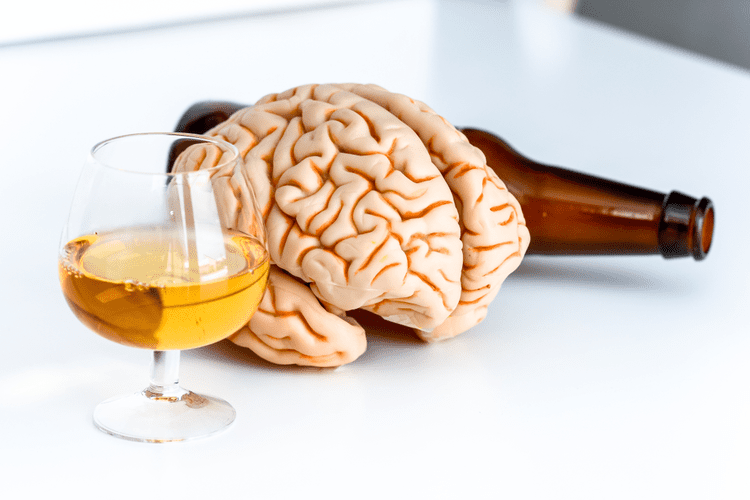
What are the treatments for comorbid substance use disorder and mental health conditions?
Adolescence is a developmental period with a number of important transitions including puberty, shifting parental and peer support, dating, self-identity, and cognitive maturation22. Similarly, young adulthood represents a critical period of role transition and adjustment https://ecosoberhouse.com/ that is characterized by a new level of independence and increased pressures and responsibilities23. The increase in stressful life24 events may contribute to the high onset of MDD in youth25,26. Our narrative review of associations between binge drinking and CMDs and consumption, respectively, showed mixed evidence.
- Experts note that to encourage teens to reduce or stop substance use, it’s important give them other coping strategies to manage their problems without turning to substances.
- Studies were excluded if they did not report the prevalence of alcohol use in those with and without a CMD.
- Until the increased recognition of co-occurring disorders in the 1980s and 1990s, patients who presented for SUD or mental health treatment often were not evaluated for a co-occurring disorder, or their treatment plan did not address the co-occurring disorder.
- However, the limiting effect of low consumption and high abstention may exert more influence at lower levels of alcohol consumption.
- With regard to the studies included in this review, the majority of studies used large sample sizes representative of the general population and standardized criteria to assess alcohol use and CMD, particularly those reporting the prevalence of AUD.

Second, we reviewed evidence on the directionality of these relationships—that is, whether alcohol use disorder preceded another psychiatric disorder, or vice versa. To our knowledge, the directionality of these relationships has not been the subject of a broad review to date. Finally, we present evidence on the types of mechanisms used to explain the comorbidity between alcohol use disorder and other psychiatric disorders.


